- Home
- About
- Application Scenarios
- Equipment Product Center
- Sheet metal enclosure processing
- News
- Contact us
- العربية
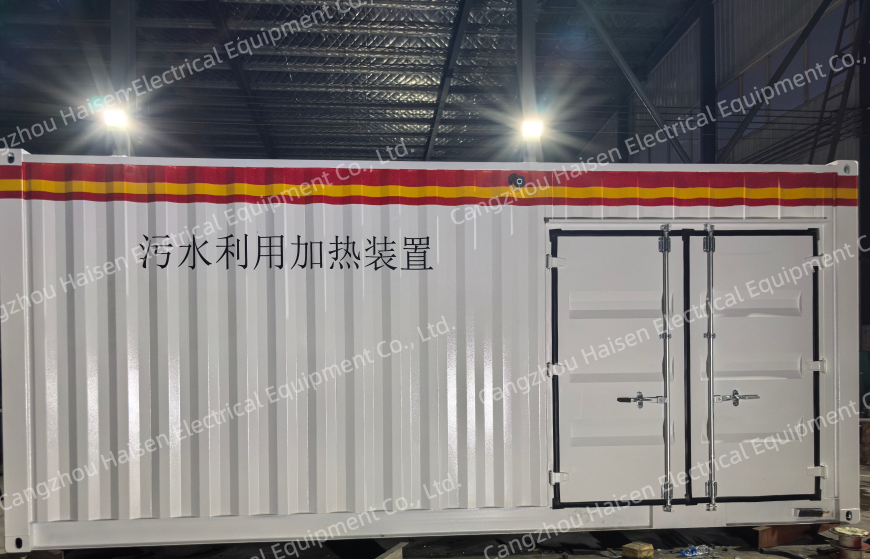
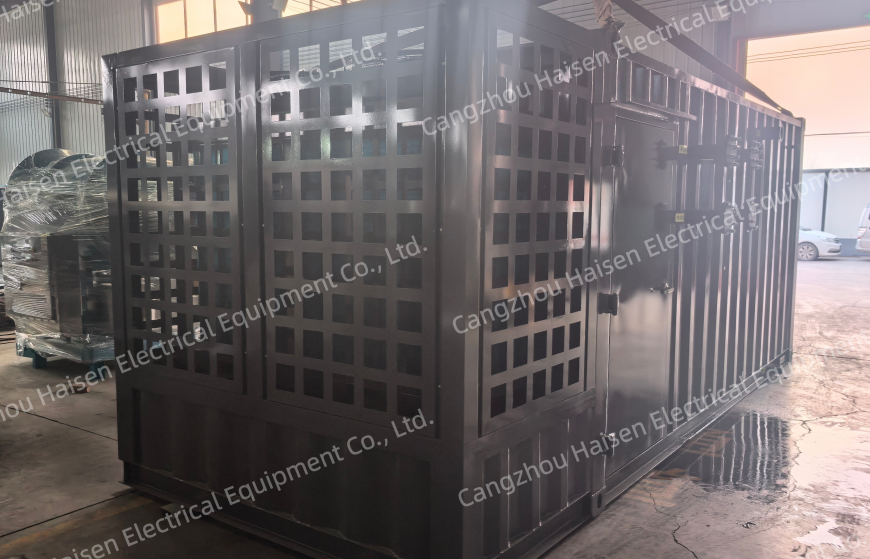
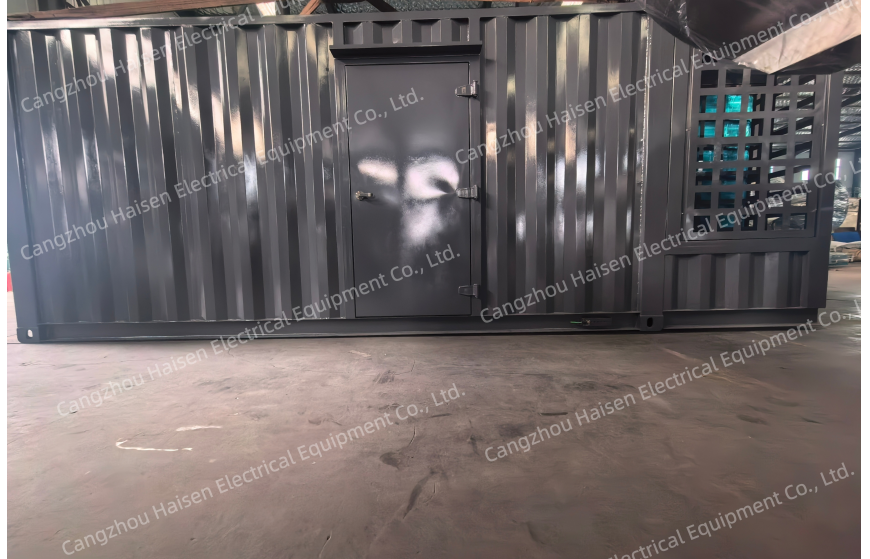
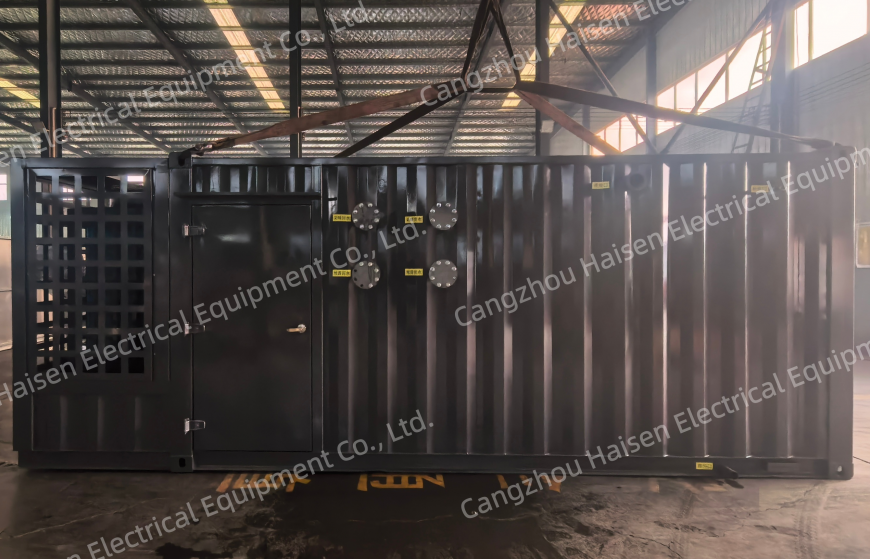
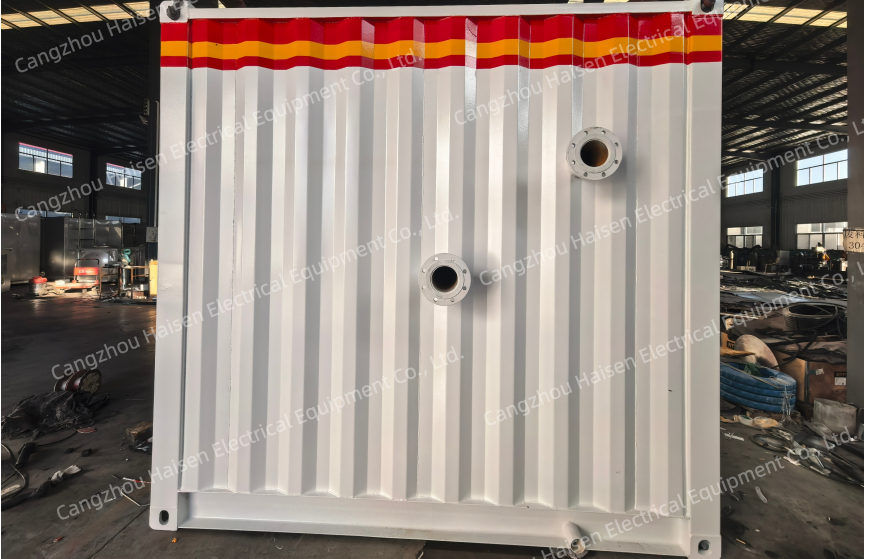
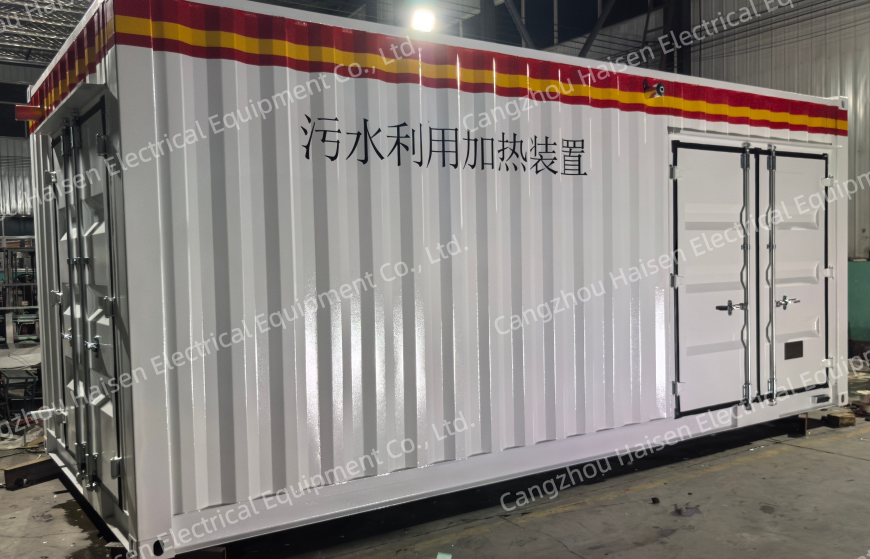
Containerized Equipment Enclosure
I. Product Overview
A container is a standardized, high-strength, reusable transport and cargo-holding unit. Through standardized dimensions and structures, cargo can be seamlessly transferred and rapidly exchanged between sea, road, and rail transport modes, enabling "door-to-door" one-stop transportation without the need to move the cargo inside during transit—greatly simplifying transfer procedures and reducing transportation costs. Its excellent sealing and durability effectively protect the cargo inside from external environmental influences.
II. Product Materials
Containers are mainly manufactured from high-quality steel:
Weathering Steel (Corten Steel): The most commonly used material, offering excellent atmospheric corrosion resistance. After forming a dense oxide layer on the surface, it can withstand harsh environments over the long term without requiring painting.
Stainless Steel: Superior corrosion resistance, suitable for cargo with high cleanliness and corrosion resistance requirements.
Aluminum Alloy: Lightweight and corrosion-resistant, suitable for scenarios with strict requirements on tare weight, though its strength is slightly lower than steel containers.
Container floors are typically made from high-strength bamboo-wood composite panels or steel flooring—wear-resistant, impact-resistant, and anti-slip, capable of withstanding frequent forklift operations. Some specialized containers can use other materials as required.
III. Product Features
1. Standardized and Universal for Mechanized Operations
Manufactured strictly in accordance with ISO international standards, with globally unified dimensions, containers can circulate freely between different countries and transport modes, enabling "door-to-door" transportation without container exchange. All containers are equipped with standard corner fittings, supporting mechanized operations such as lifting, forklift handling, and rail transfer—ensuring high loading and unloading efficiency and seamless integration with the global logistics system.
2. High Strength, Durable, Sealed, and Moisture-Proof
Featuring high-quality weathering steel and reinforced structural design, containers offer high strength and excellent toughness, capable of withstanding external impacts and dynamic loads during long-distance transport. Under normal operating conditions, their service life can reach 10–15 years or even longer. Enclosure seams are sealed, and door ends are equipped with weather-resistant sealing strips—effectively providing waterproof, dustproof, and moisture-proof protection to reduce cargo damage and discrepancies.
3. Stackable and Space-Saving, Flexibly Customizable
The structural strength of the container body meets multi-layer stacking requirements. It can be stacked in multiple tiers on ship decks, in storage yards, and on railway flatcars—making full use of vertical space. In addition to standard dry containers, various specialized container types can be customized, including refrigerated, open-top, flat-rack, and tank containers. Personalization is also available in dimensions, structure, interior lining, and door opening methods.
IV. Product Classification
By application, containers are mainly classified as:
Dry Containers: The most common type, used for transporting general cargo such as daily necessities, electronic products, and textiles
Refrigerated Containers: Equipped with built-in refrigeration units, suitable for temperature-sensitive cargo such as fresh food, pharmaceuticals, and chemicals
Open-Top Containers: The roof can be removed or opened, facilitating top-loading of over-height and over-width cargo
Flat-Rack Containers: Without side walls or roof panels, used for transporting over-length, overweight, or irregularly shaped cargo
Tank Containers: Suitable for transporting liquid, gas, powder, and other bulk cargo
Ventilated Containers: Equipped with ventilation devices, suitable for cargo requiring air circulation
V. Application Scenarios
International Ocean Shipping: Loaded in ocean vessel holds—the mainstream carrier for international trade sea freight
Railway Transport: Dedicated routes such as China-Europe freight trains, enabling rapid cross-border movement of inland cargo
Road Transport: Container trailer transport, completing the final leg of "door-to-door" delivery
Multimodal Transport: Seamless connections between sea-land, sea-rail, and land-rail modes, improving overall logistics efficiency
Yard Storage: Temporary storage and transshipment at ports, yards, freight stations, and other nodes
Specialized Applications: Emerging fields such as energy storage stations, modular buildings, temporary housing, mobile offices, and micro plant factories
Popular recommendation