- Home
- About
- Application Scenarios
- Equipment Product Center
- Sheet metal enclosure processing
- News
- Contact us
- العربية
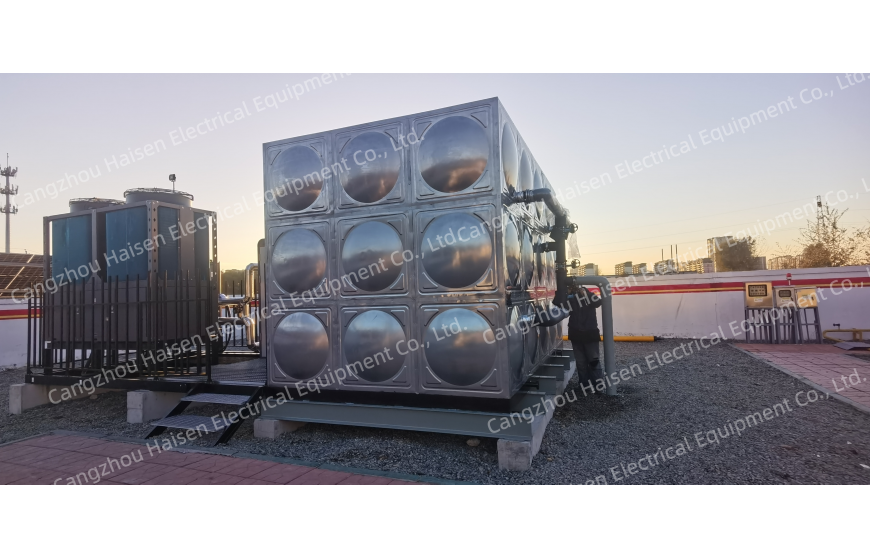
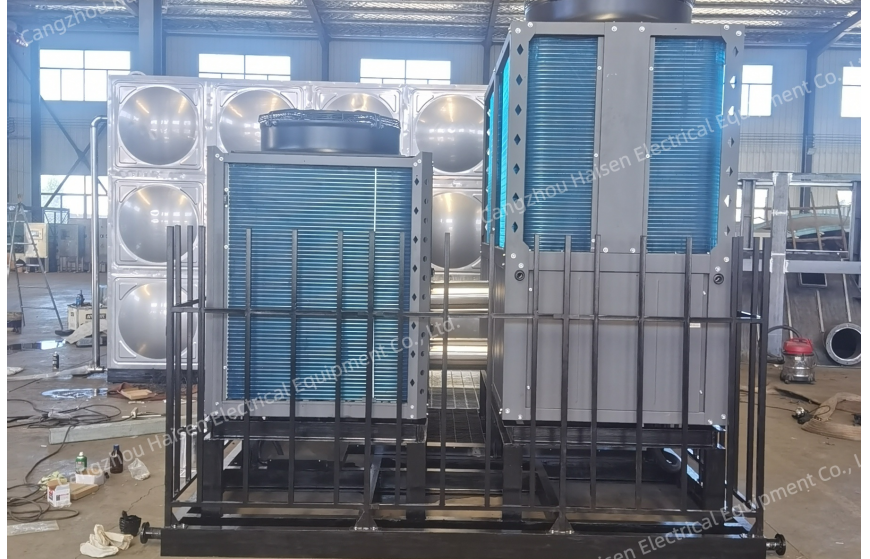
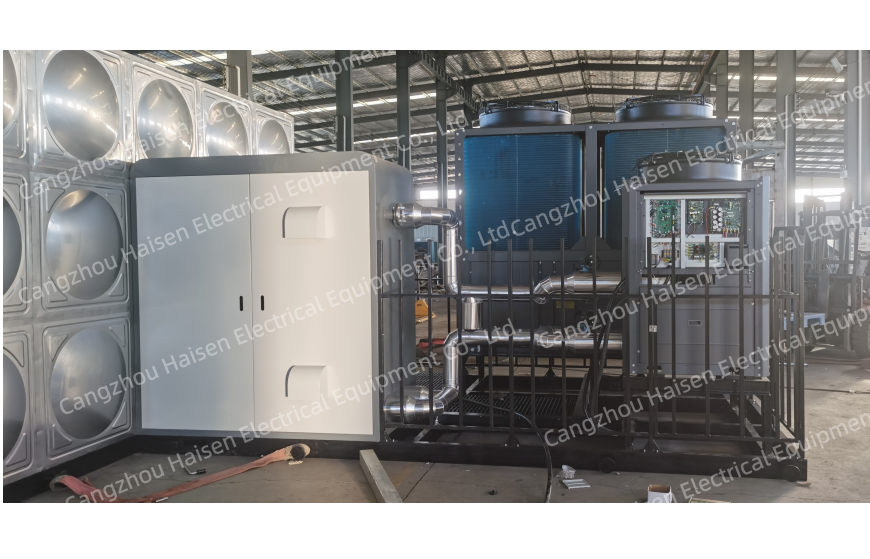
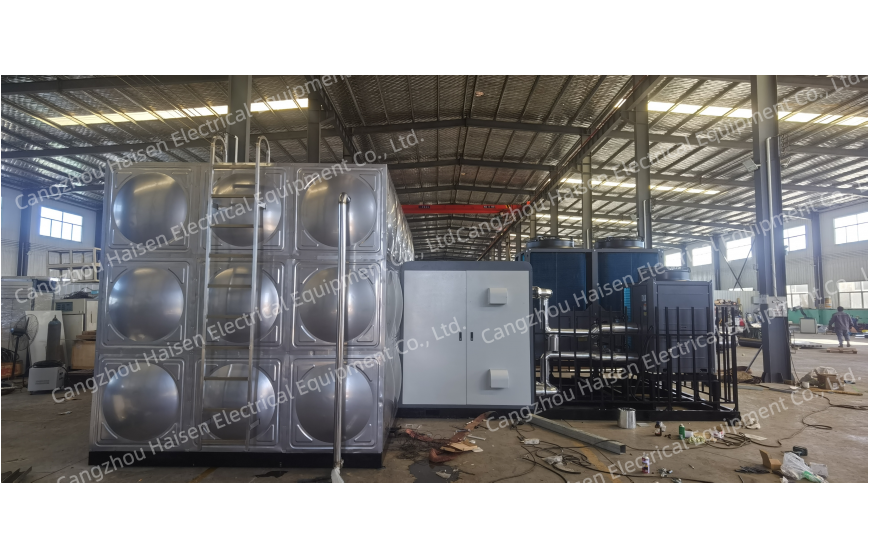
Energy storage type heating and cooling device
I. Product Overview
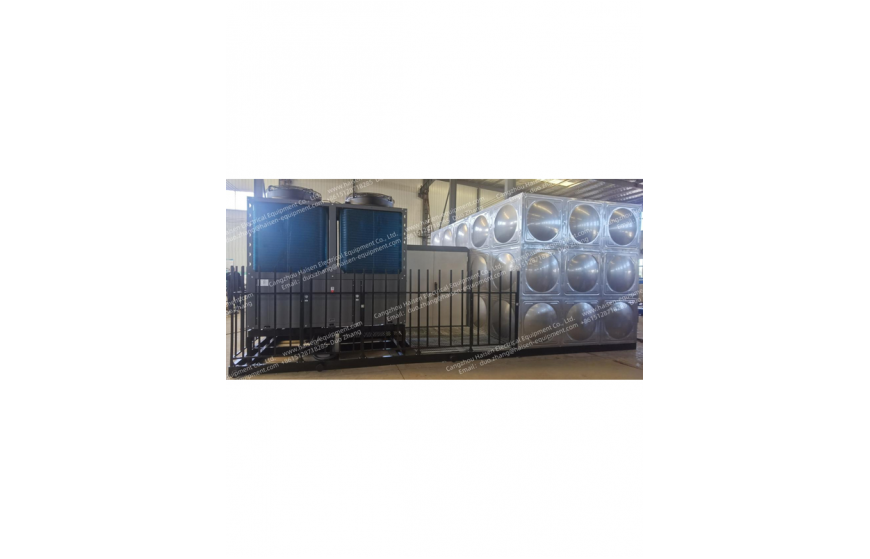
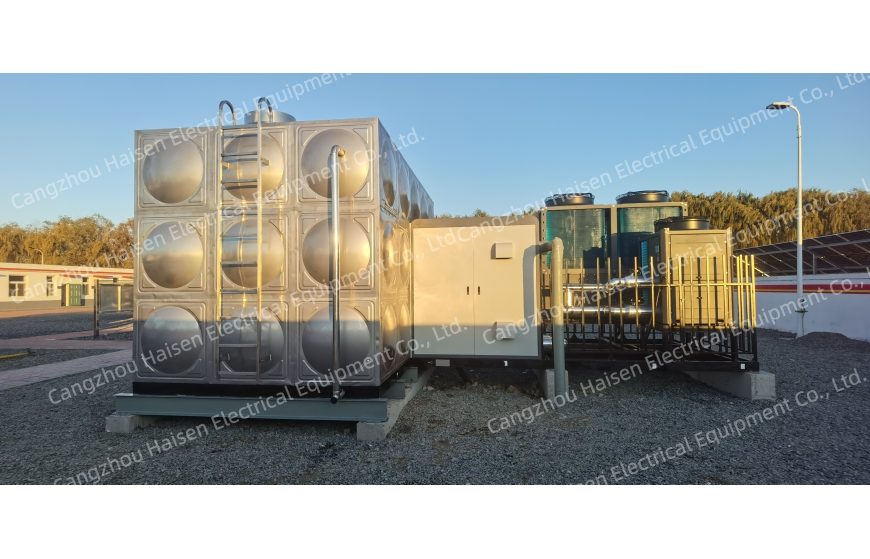
The energy storage heating and cooling unit is an integrated energy system that combines an energy storage system with heating and cooling equipment. By storing cooling or heating energy during off-peak electricity pricing periods and releasing it during peak demand periods or when needed, it achieves peak shaving and valley filling as well as efficient energy utilization. The product can be integrated in containerized or modular form, assembled and commissioned at the factory, and put into operation on-site simply by connecting water and power.
The unit can simultaneously meet heating, cooling, and domestic hot water demands. It is suitable for residential communities, hotels, schools, hospitals, factories, office buildings, and industrial parks, and is particularly well-suited for scenarios with significant peak-valley electricity price differences, sensitivity to operating costs, or emergency energy supply requirements.
II. Product Composition
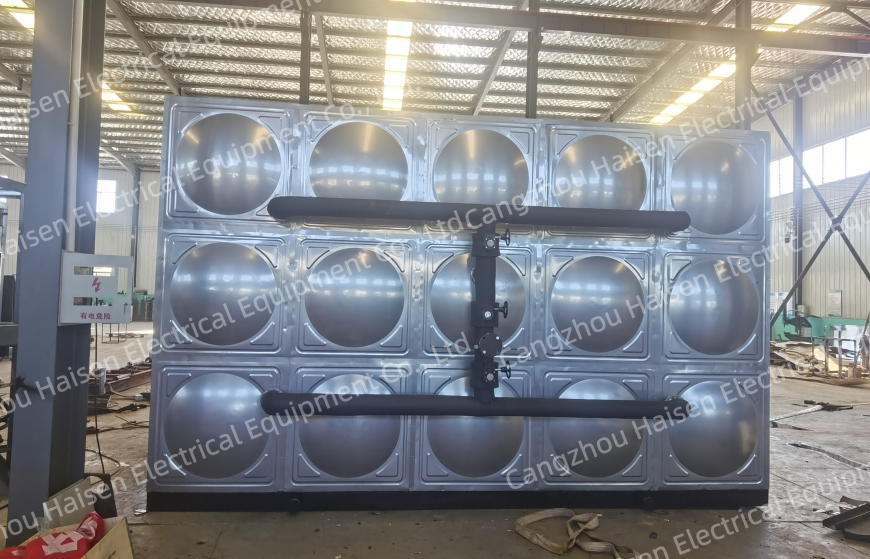
Energy Storage System: Includes thermal storage devices (such as heat storage tanks and phase-change thermal storage modules) and cooling storage devices (such as ice storage tanks and phase-change cooling storage modules), storing cooling or heating energy during off-peak electricity pricing periods.
Heat Pump Unit: The core heating and cooling source, achieving efficient heating and cooling through the reverse Carnot cycle, with high energy efficiency and low operating costs.
Circulating Water Pumps and Piping System: Responsible for the transport and circulation of heating/cooling media. Piping is prefabricated at the factory, reducing on-site installation work.
Intelligent Control System: Integrates temperature, pressure, flow, and other sensors with controllers. It can automatically switch between energy storage and energy release modes based on electricity pricing periods and load demands, enabling automatic regulation, remote monitoring, and fault alarms.
Container / Modular Enclosure: Serves as the equipment carrier, offering waterproof, dustproof, anti-theft, and soundproof functions, and can be lifted, transported, and stacked as a whole.
Electrical Control Cabinet: Centralizes power supply, control, and protection components with standardized wiring for easy operation and maintenance.
III. Product Features
1. Peak Shaving and Valley Filling to Reduce Operating Costs
Utilizing peak-valley electricity price differences, energy is stored during off-peak periods and released during peak periods—effectively reducing electricity costs while lessening the load impact on the grid during peak hours, achieving rational energy allocation and efficient utilization.
2. Multi-Purpose with Both Heating and Cooling Capabilities
Integrates heating, cooling, and domestic hot water functions into one unit. Operating modes can be flexibly switched according to seasons and demand, with a single system meeting multiple energy needs and reducing redundant equipment investment.
3. Container-Based Carrier for Flexible Deployment and Intelligent O&M
Using a standard container or modular enclosure as the carrier, it offers excellent waterproof, dustproof, anti-theft, and soundproof performance, and can be lifted, transported, and stacked as a whole. It can be permanently installed or relocated as a whole as needed—particularly suitable for temporary camps, rental projects, or phased construction scenarios. The integrated intelligent control system enables automatic temperature regulation, remote monitoring, fault alarms, and energy consumption statistics, reducing the need for manual attendance and facilitating routine inspection and maintenance.
IV. Application Scenarios
Residential and Commercial: Centralized heating and cooling for communities, hotels, office buildings, and shopping malls
Public Institutions: Schools, hospitals, gymnasiums, and government agencies
Industrial Sector: Factory workshops, process cooling, and employee living areas
Industrial Parks: Centralized energy supply for parks with significant peak-valley electricity price differences
Temporary and Mobile Scenarios: Construction camps, post-disaster resettlement sites, field operation camps, and rental projects
Emergency Energy Supply: Grid peak shaving, emergency heating and cooling supply, and backup energy systems
Popular recommendation